Amazon living nature
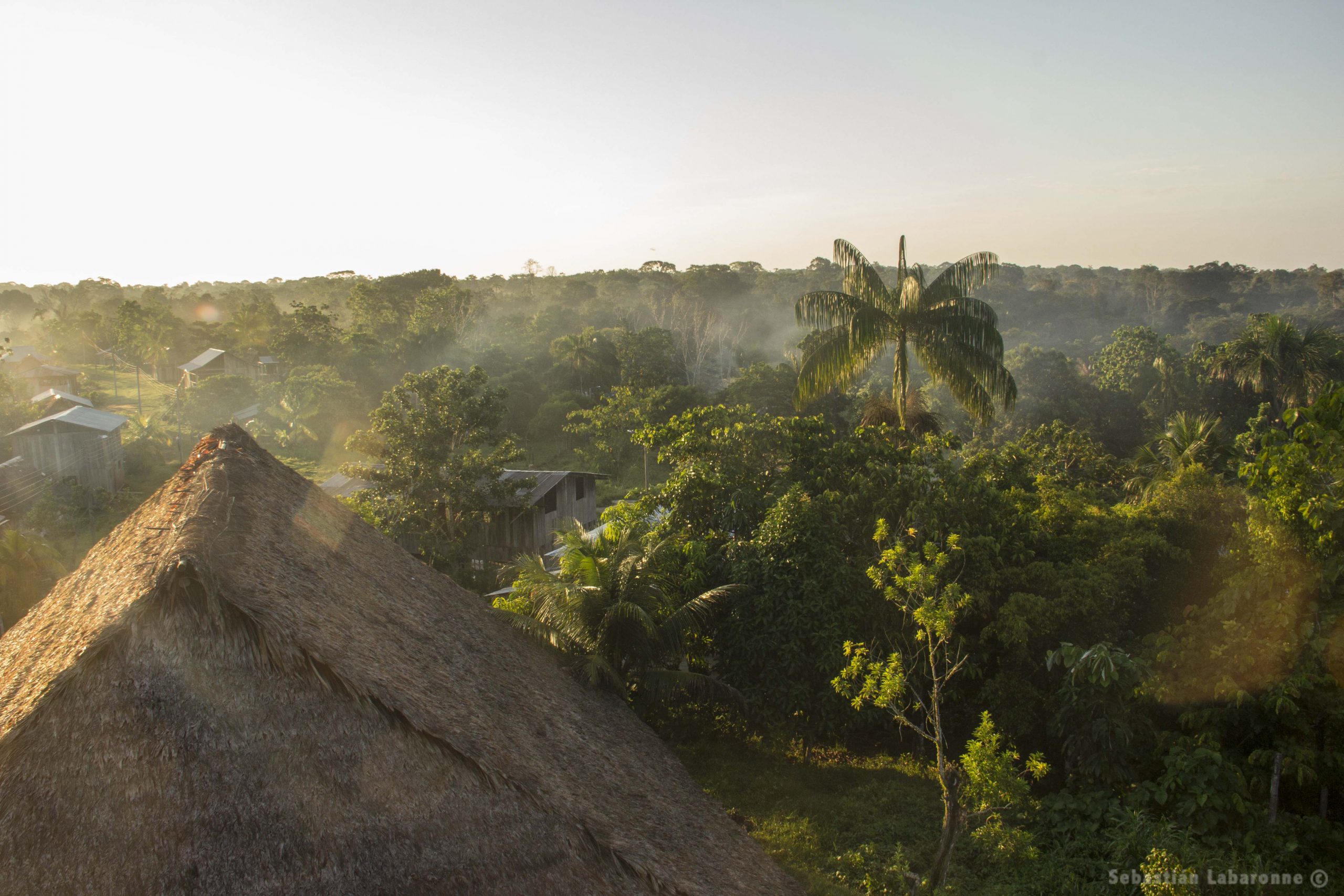
Puerto Nariño, a territory shaped by water and jungle
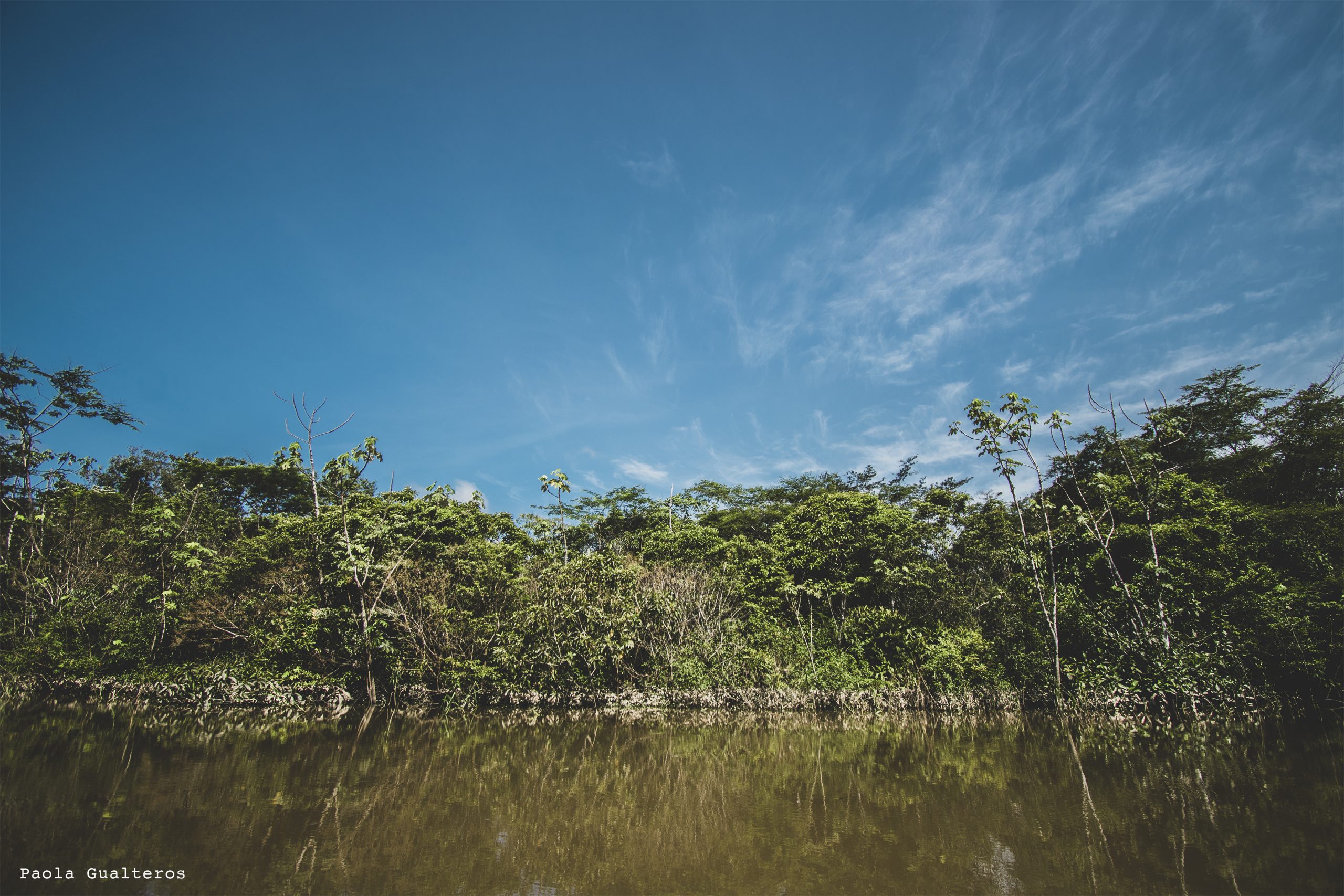
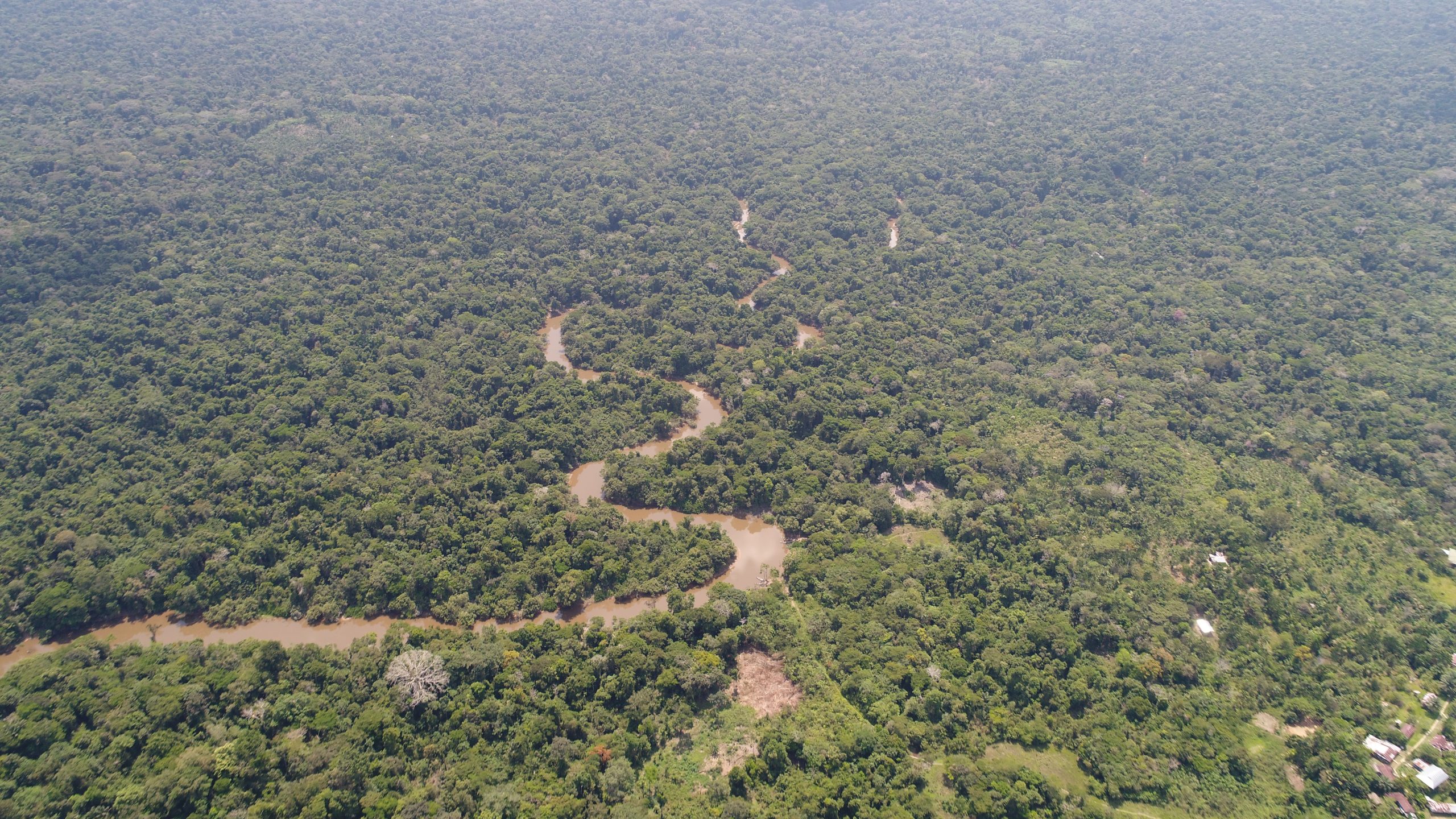
Water that connects life
Life inhabiting the territory
Living, breathing jungle
Lakes of Tarapoto
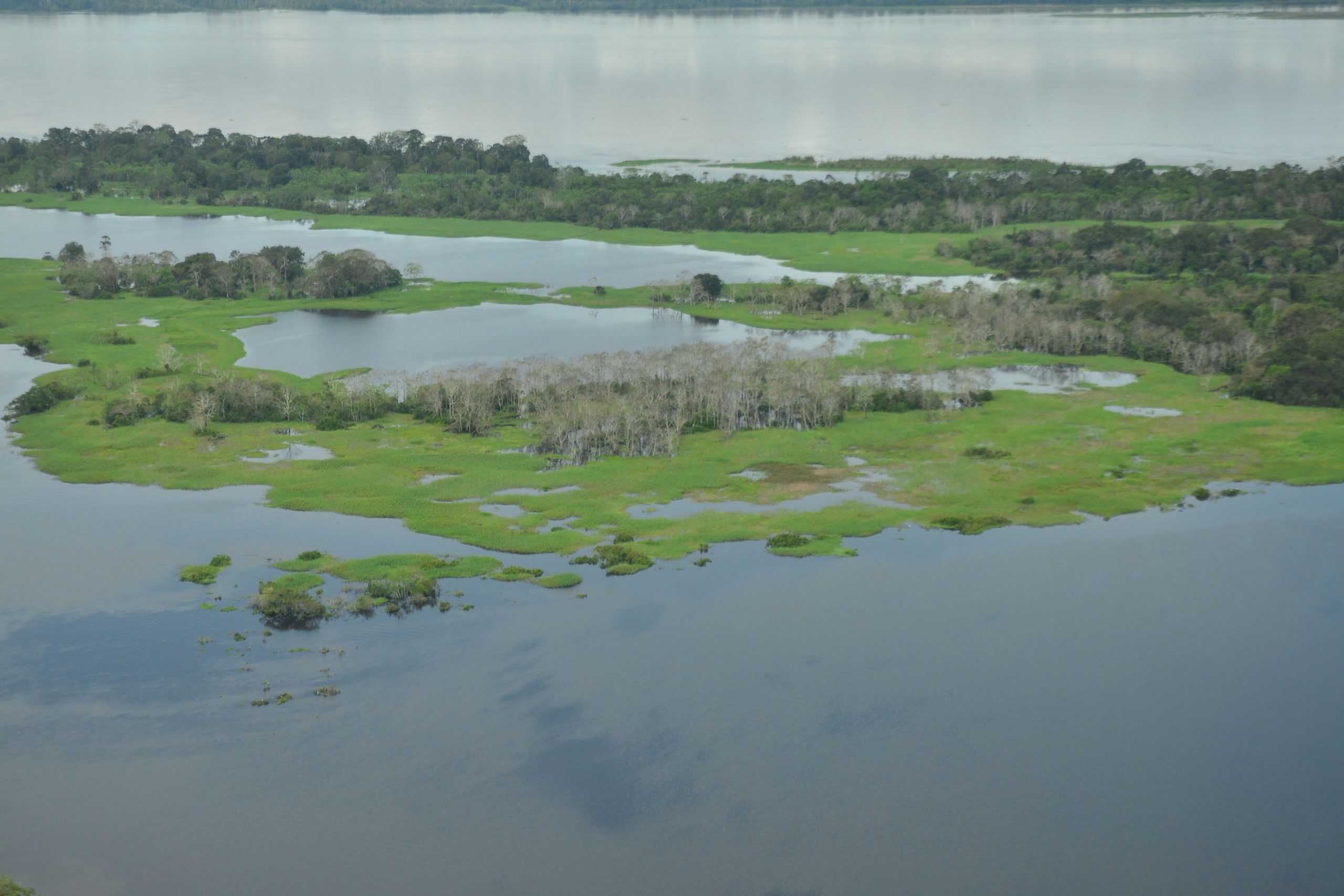
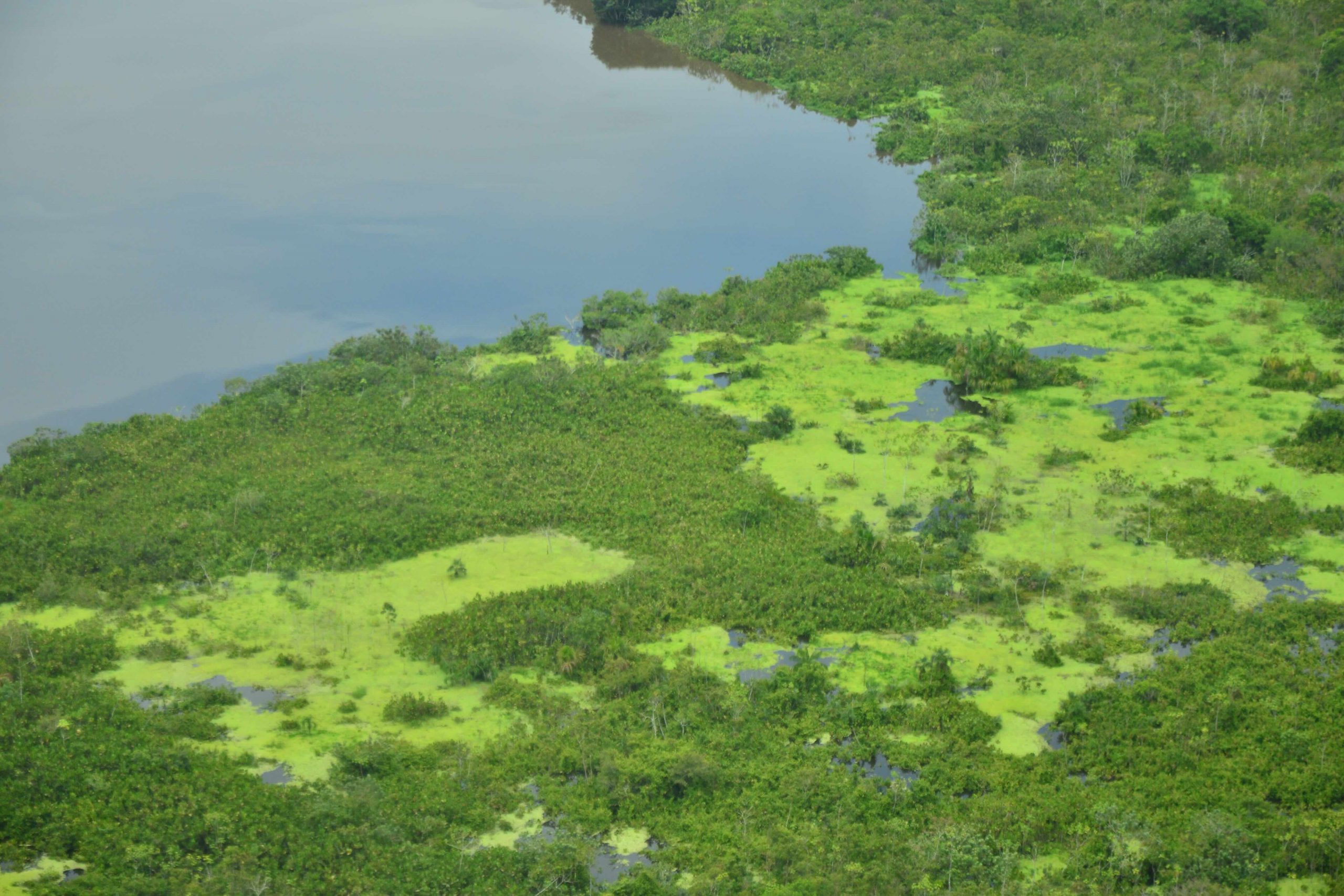
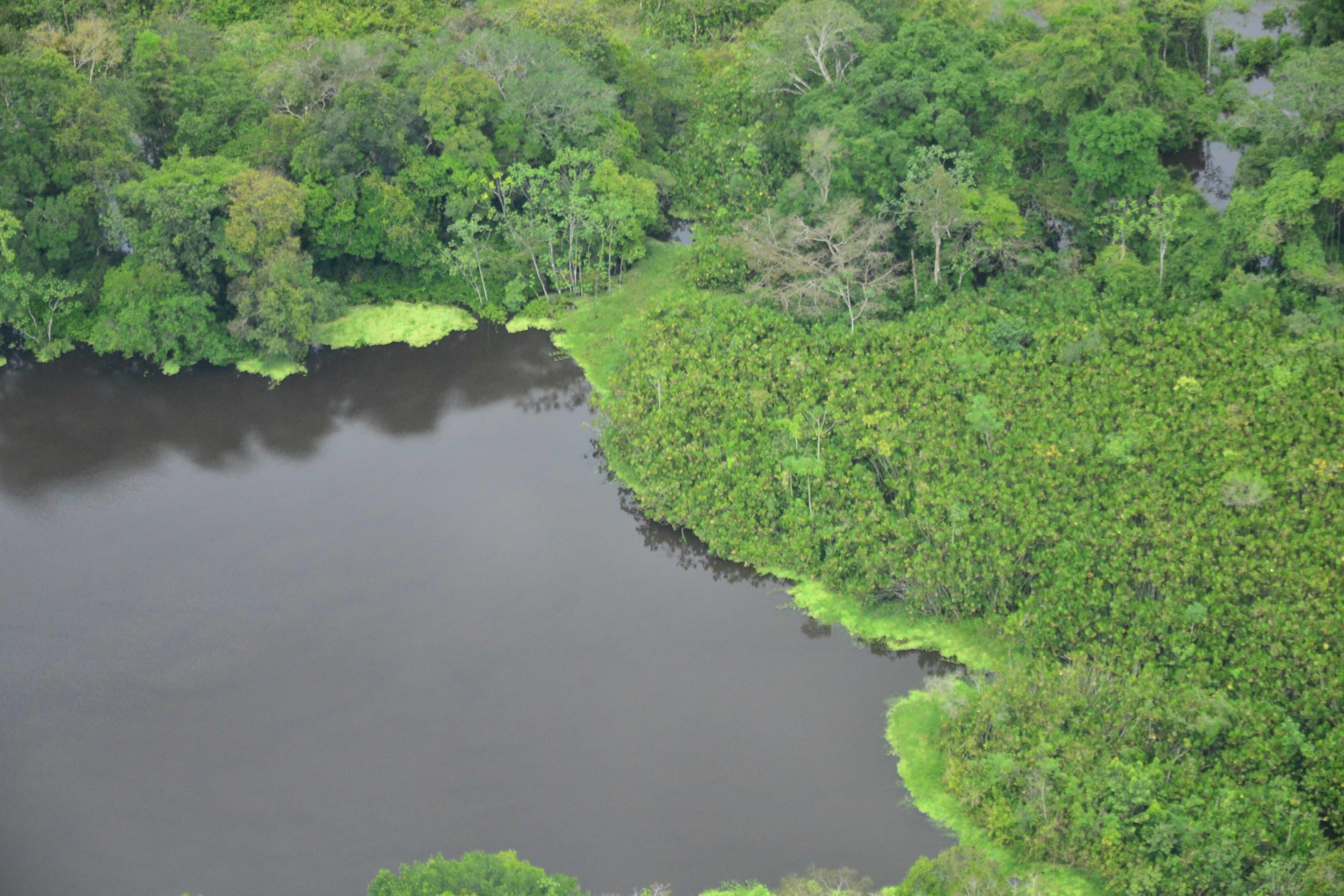
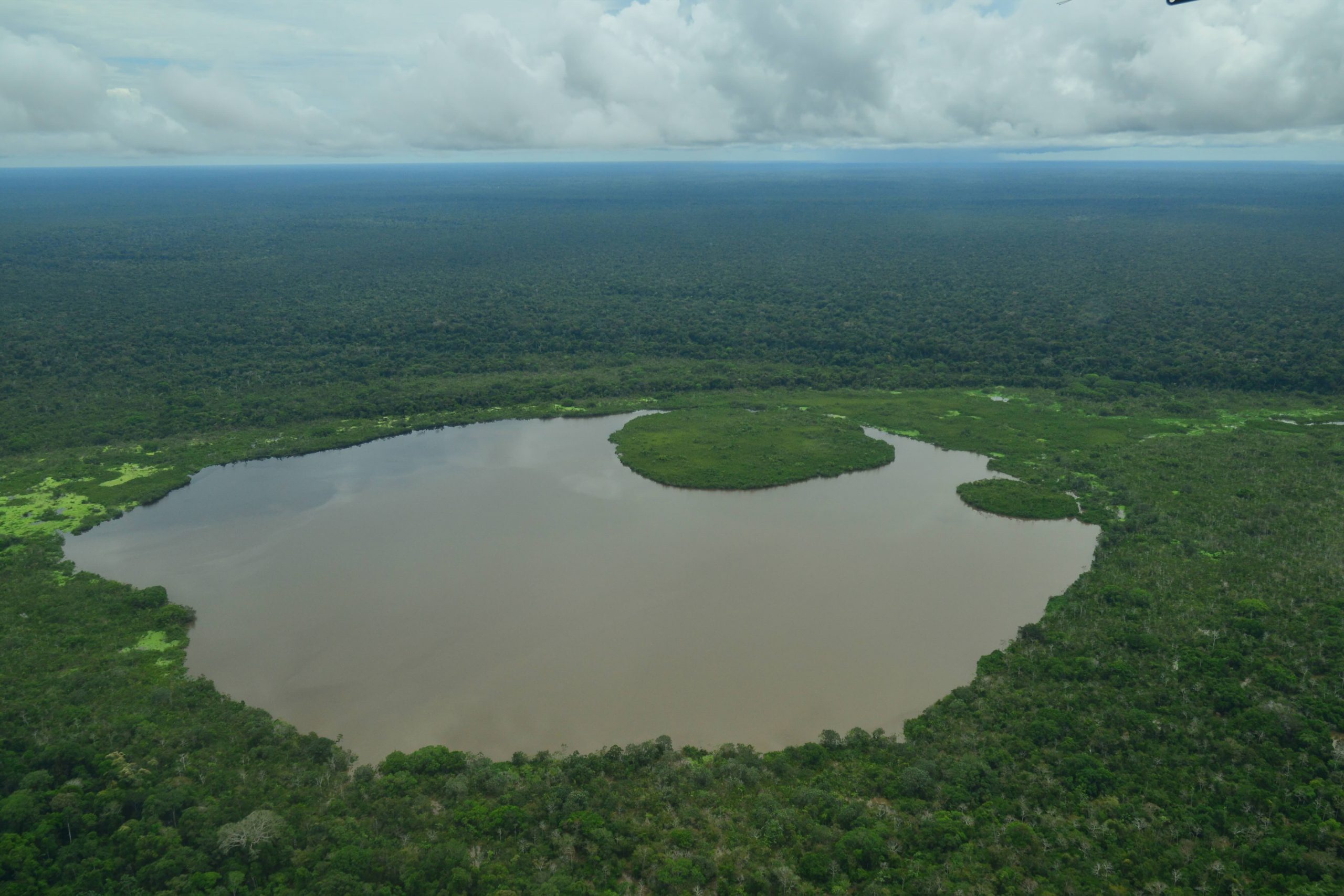
The Tarapoto Lakes form the first wetland complex in the Colombian Amazon to be recognized as a Ramsar Site, the highest international designation for the protection of these ecosystems. They also have OMEC (Other Effective Area-based Conservation Measures) designation, in recognition of local conservation strategies.
What are the Tarapoto Lakes?
This complex comprises around 45 wetlands and 22 lakes, which form part of the Loretoyacu River basin, a tributary of the Amazon River. Twenty-two indigenous communities from the Magüta–Tikuna, Cocama, and Yagua peoples depend directly on these ecosystems. They have inhabited and cared for this territory since ancient times.
Ecosystem biodiversity
Covering an area of 45,463 hectares, the Tarapoto Lakes are home to exceptional biodiversity:
883 plant species, 265 fish species, 57 amphibian species, 30 reptile species, 244 bird species—including 24 migratory species—and 197 mammal species. Among them are iconic and endangered species such as the pink river dolphin, the manatee, the black caiman, and the pirarucú.
Indigenous Communities and Conservation
Since 2012, indigenous communities, together with research institutes and allied entities,
are implementing the Fisheries Agreements,
a community strategy to regulate the use of fishery resources, prevent overfishing, and ensure the conservation of the ecosystem.
Amacayacu National Natural Park
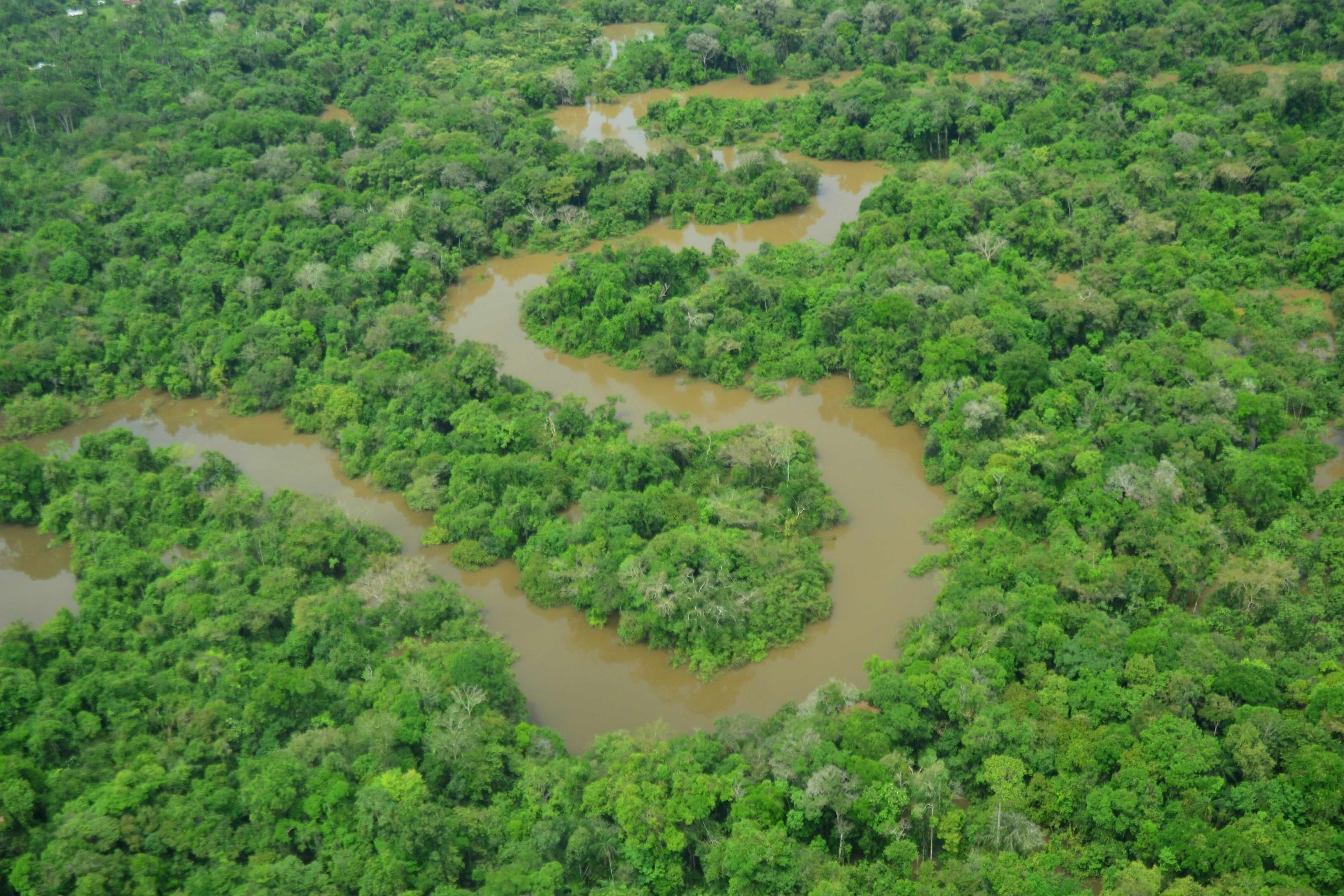
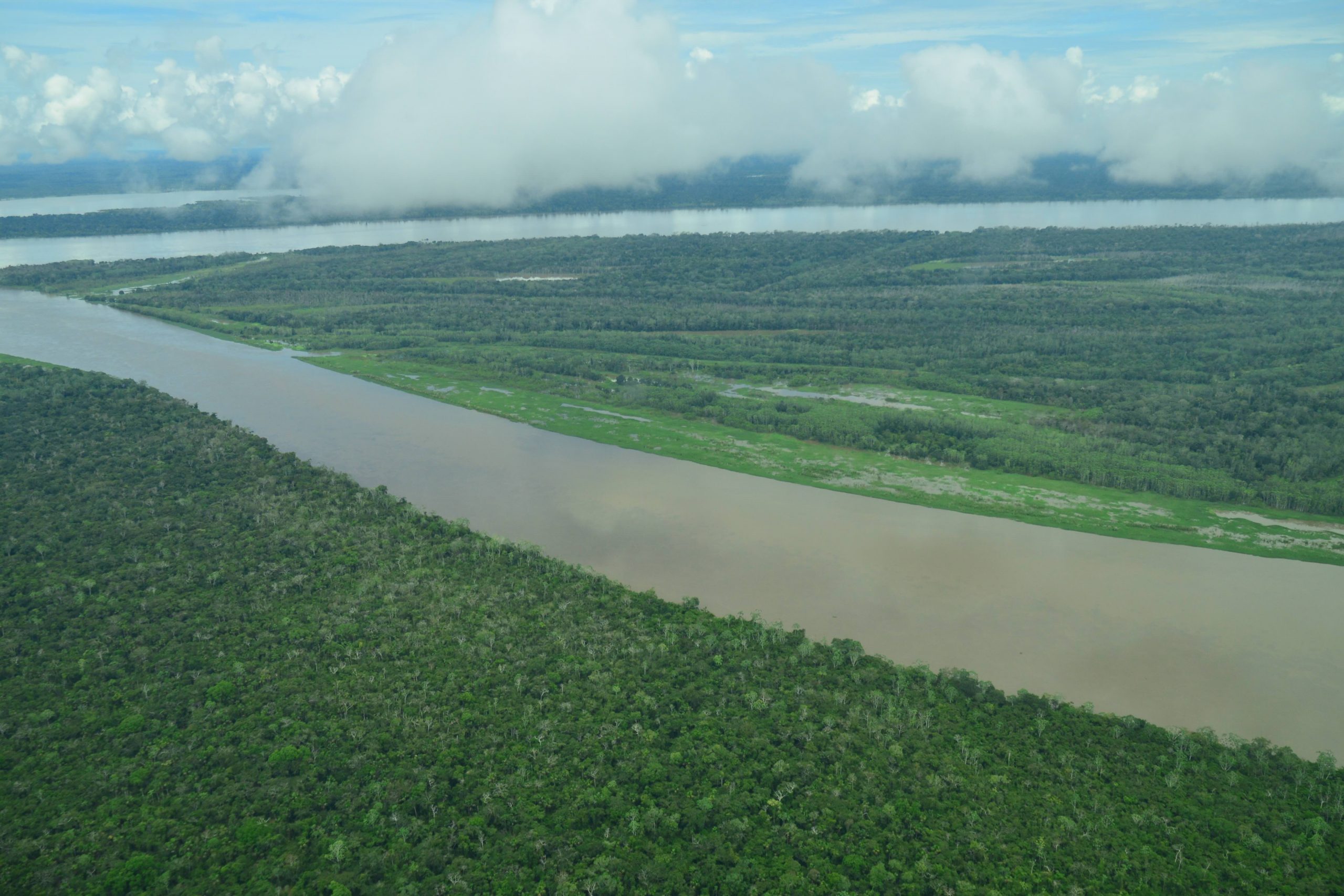
Amacayacu National Natural Park offers an immersive experience in one of the Amazon’s most dynamic and well-preserved ecosystems. The river’s annual cycle transforms the landscape, shaping the várzea—a floodplain forest perfect for canoeing—and the terra firme, a more stable area with taller trees ideal for hiking. When the water recedes, beaches and new trails emerge, revealing a constantly changing landscape.
Community-based tourism in the Amazon
Accompanied by heritage interpreters, you’ll gain an understanding of the region from an Indigenous perspective. In communities such as San Martín de Amacayacu, Palmeras, and Mocagua, you’ll find services including lodging, local cuisine, safe river transportation, and handicrafts. You can also enjoy birdwatching, primate spotting, dolphin watching, artisanal fishing, canoeing, and hiking. All activities are integrated into interpretation and learning programs about the Amazon rainforest, led by the communities and in coordination with Amacayacu National Natural Park.
Tourism that supports conservation
By visiting, you are becoming part of a community-based tourism model that contributes to the conservation and well-being of indigenous peoples. Every service you choose and every experience you share supports the care of the rainforest and the preservation of traditional knowledge. Your trip has a direct impact on the protection of the Amazon region.
Living culture in San Martín de Amacayacu
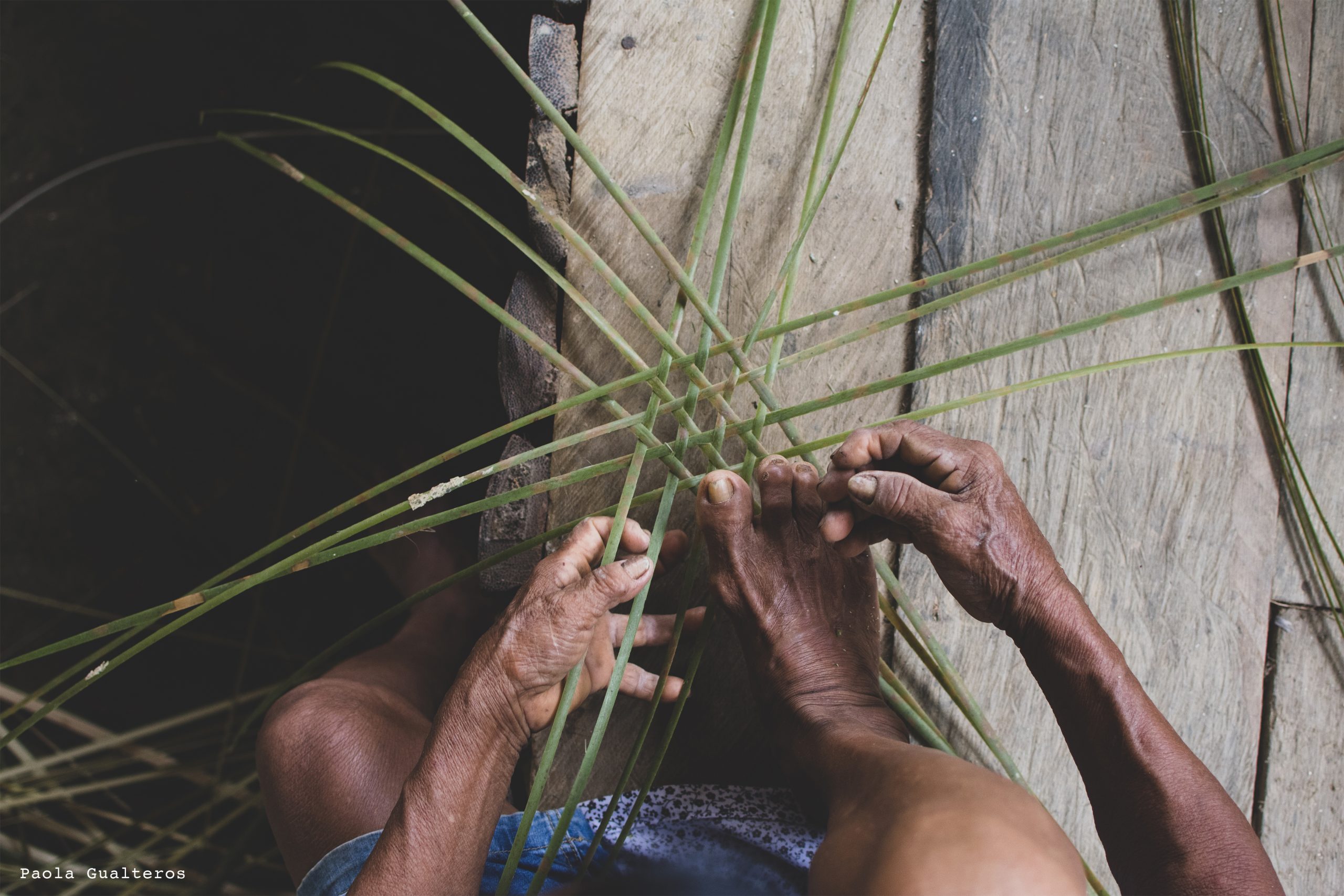
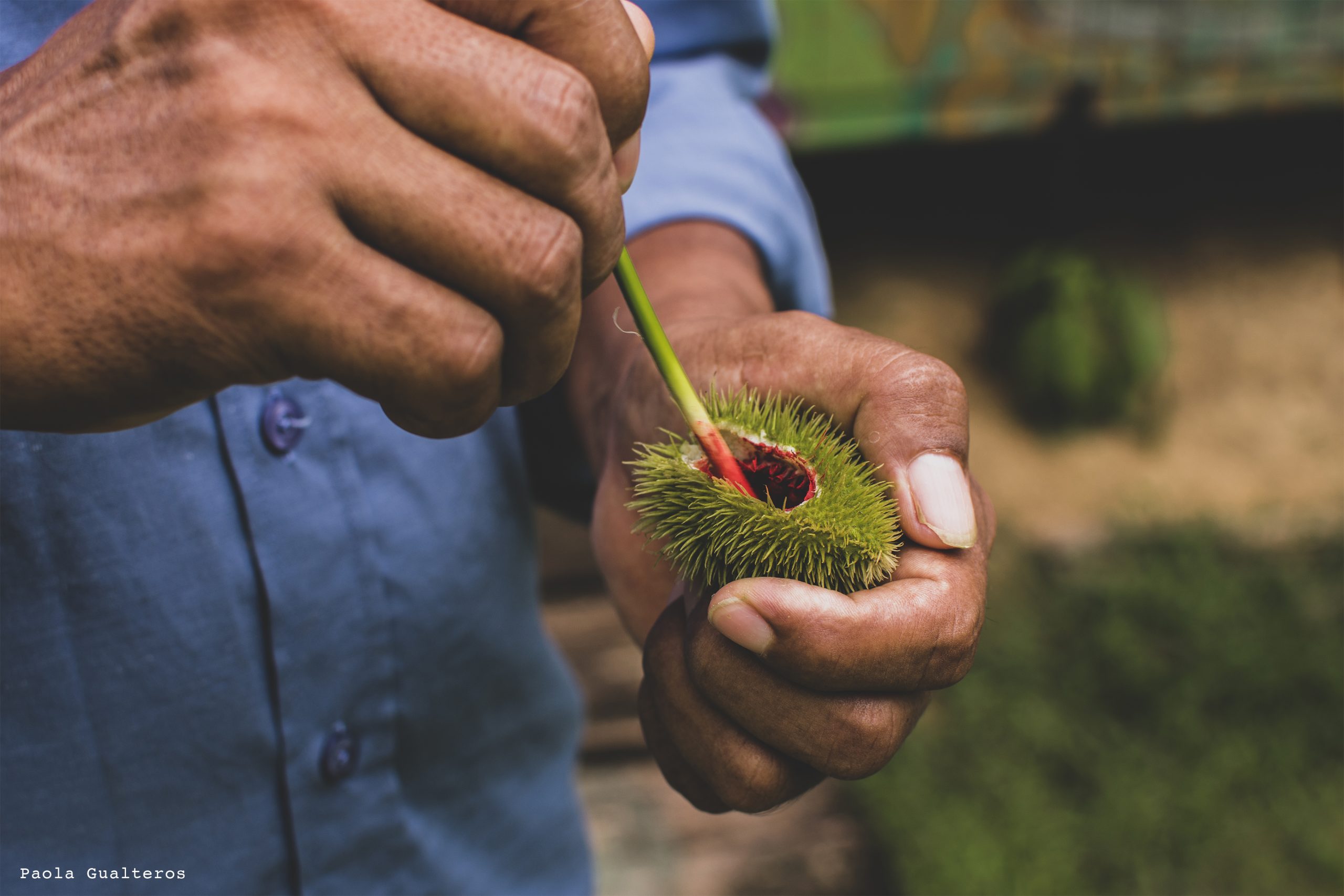
During your visit to Puerto Nariño, be sure to include San Martín, a community that shares its territory with Amacayacu National Natural Park. Here, you can gain insight into indigenous knowledge passed down through generations. Grandmothers and artisans share the secrets of pottery, basket weaving, textiles, and natural dyes. You can also hike the Remedios Vegetales trail and learn about traditional medicine and its connection to the balance of the land.
Learning through small-scale farming and community work
Chagras—biodiverse farming systems—offer insights into fruits, tubers, and their connection to food. Participating in a minga gives you a firsthand experience of collective work and the community’s understanding of food and abundance. These experiences also introduce you to the flavors of Amazonian cuisine—tastes that are hard to replicate back home.
Authentic jungle experiences
San Martín is known for its strong sense of community: many young people choose to stay in the community, strengthening their identity and working as cultural guides. They will guide you on jungle hikes, overnight stays, canoe trips down the Amacayacu River, visits to Lake Tigre, artisanal fishing, and birdwatching—experiences that stem from their daily lives and a culture that remains alive and is shared naturally.
Palmeras, virgin rainforest, and secluded trails
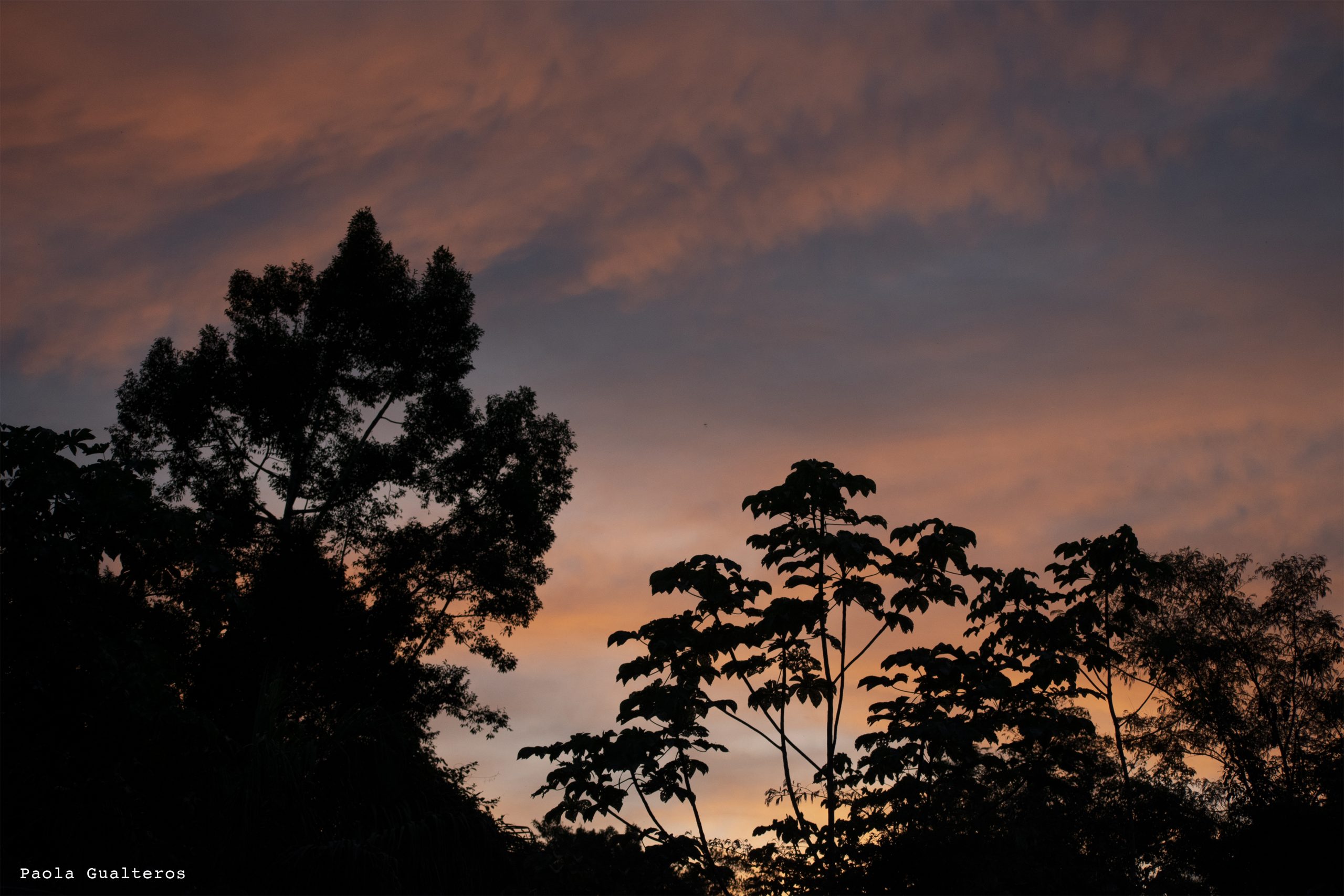
Palmeras, an indigenous community located on the banks of the Amazon River, offers breathtaking sunsets and immediate access to well-preserved primary rainforest. Here you’ll find lesser-traveled trails such as Camungos, which runs along the riverbank, and Wochine Mae, which leads to large ceiba trees—symbols of Tikuna culture. These are trails with low traffic and high ecological value, as they share territory with Amacayacu National Natural Park.
Tourism in the Amazon: A Dialogue Between Indigenous Knowledge and Science
Palmeras is a small, service-oriented community that offers personalized attention. Drawing on their experience as co-researchers at the Amacayacu permanent plot, they combine traditional knowledge with science to help visitors understand the forest. With high-quality services, your visit strikes a balance between comfort and learning about the environment.