Amazon living nature
Puerto Nariño, a territory shaped by water and jungle
Water that connects life
Rivers, lakes, and streams of the Amazon.
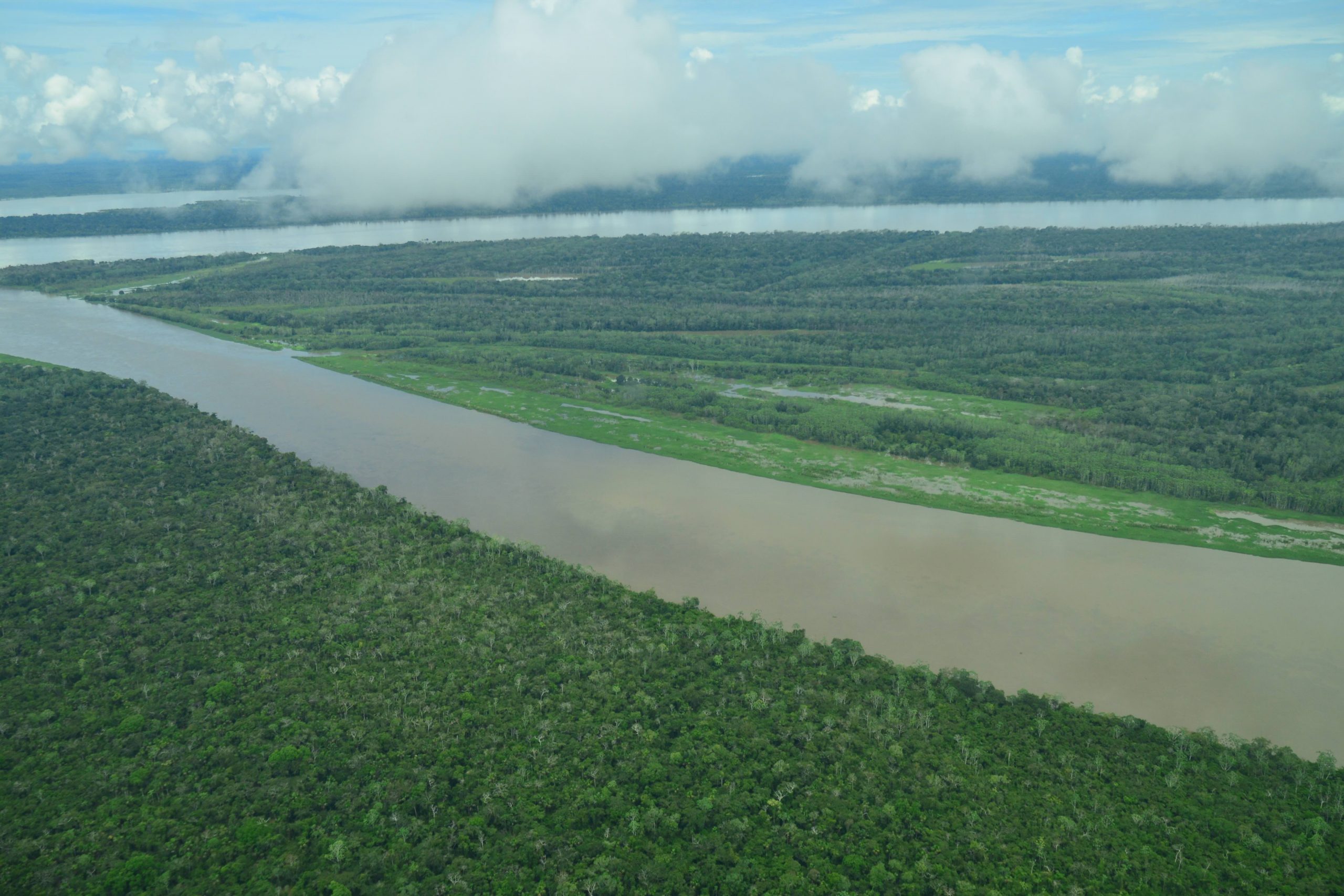
Puerto Nariño is located on the Amazon River, near its confluence with the Loretoyacu River, within the TICOYA Indigenous Reserve and the Ramsar / OMEC Lagos de Tarapoto site.
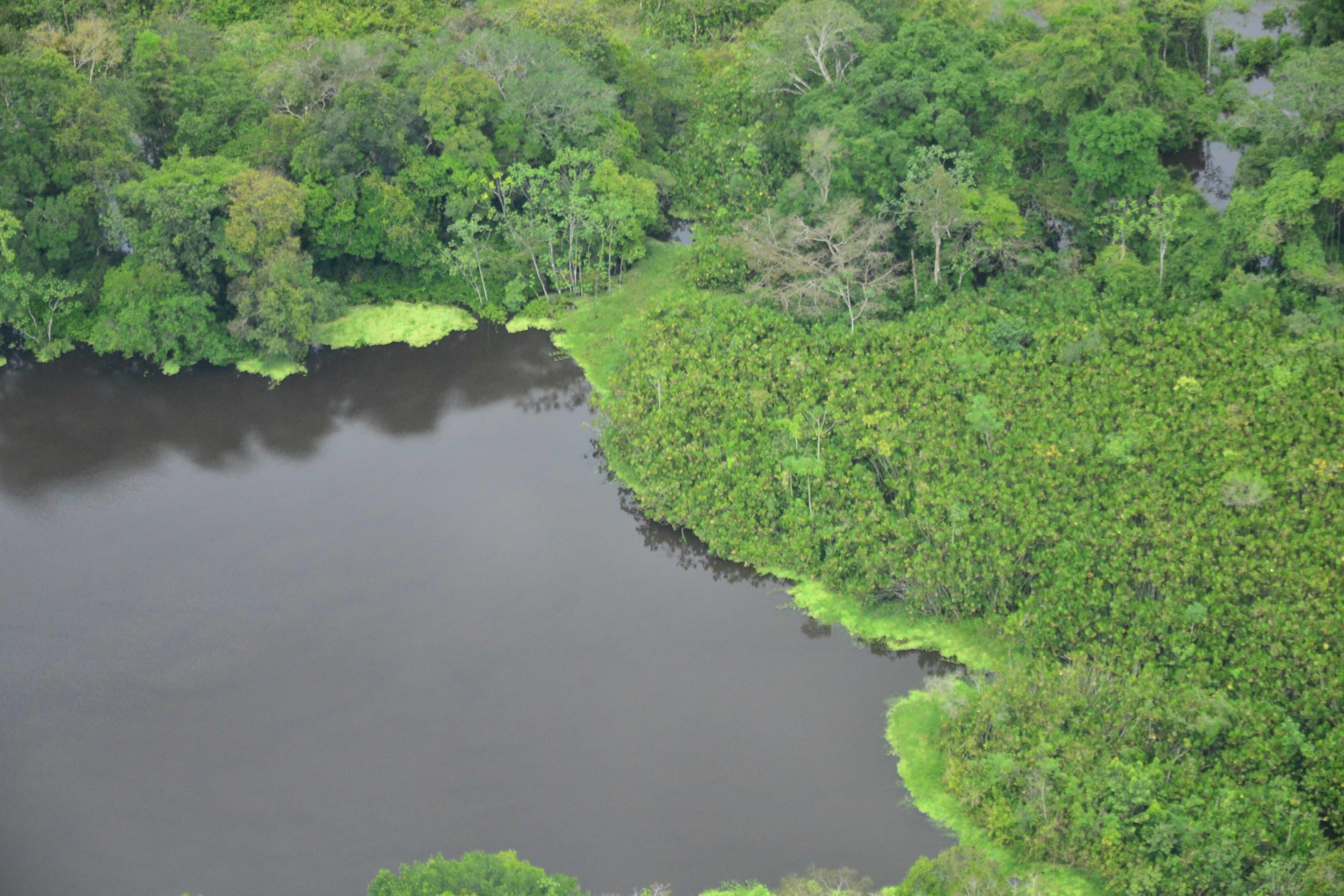
The hydrological system combines white, black, and clear waters, connected by channels that allow nutrients to mix and promote high biological productivity.
This aquatic system is fundamental to the region's biodiversity and to the fishing livelihoods of 22 indigenous communities, which depend directly on the health of the rivers and lakes.
Explore with a local guide
Life inhabiting the territory
Biodiversity of Amazonian flora and fauna
Puerto Nariño is a territory full of life. Its tropical rainforests are home to lush flora consisting of centuries-old trees, palms, medicinal plants, and a wide variety of native species that sustain the balance of the ecosystem. Between rivers and jungle, it is possible to spot pink dolphins, manatees, sloths, monkeys, otters, and a wide variety of birds. The experience invites you to connect with nature through respect and care for the environment, promoting conscious practices during your visit.
Travel responsibly
Living, breathing jungle
Amazon rainforest.
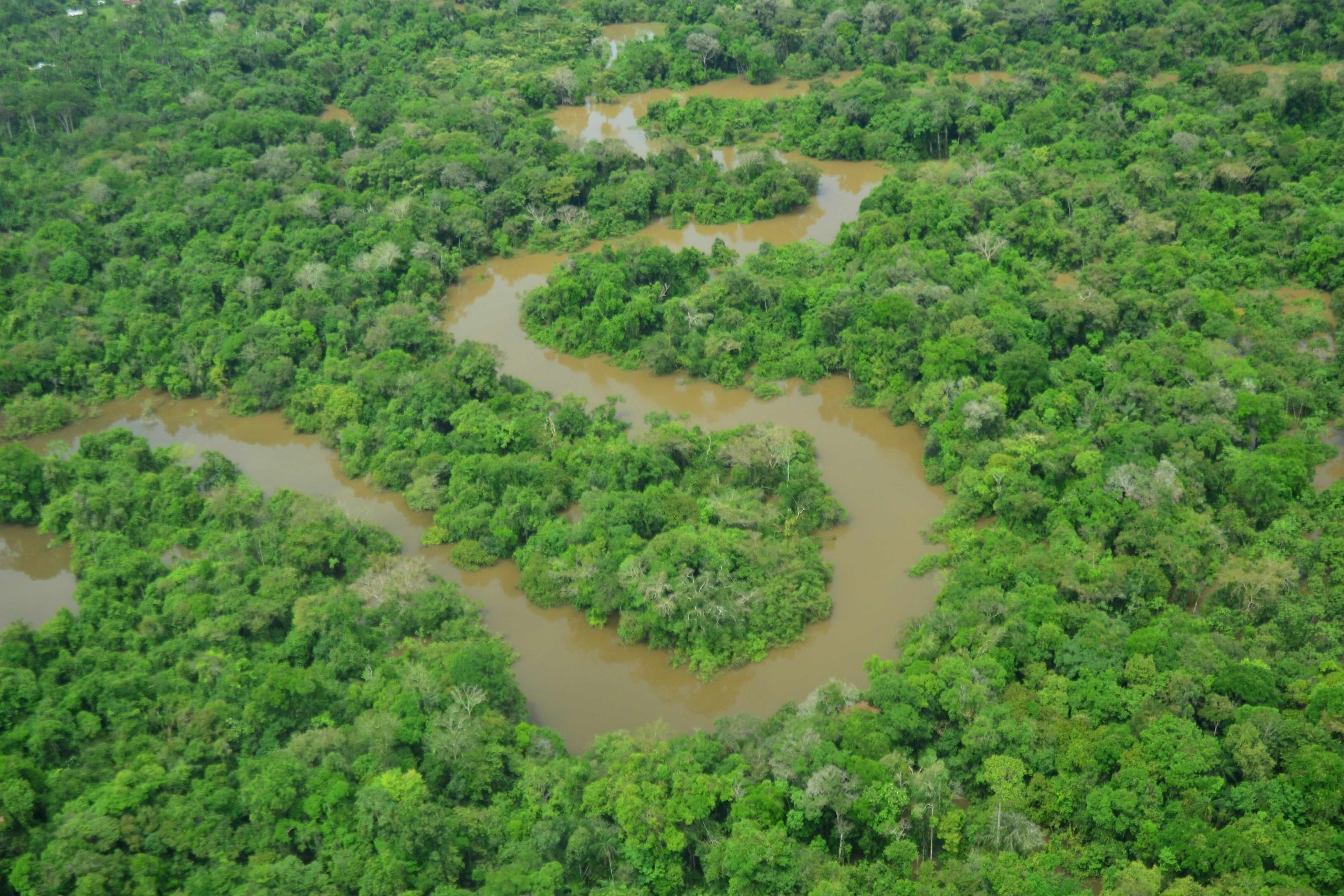
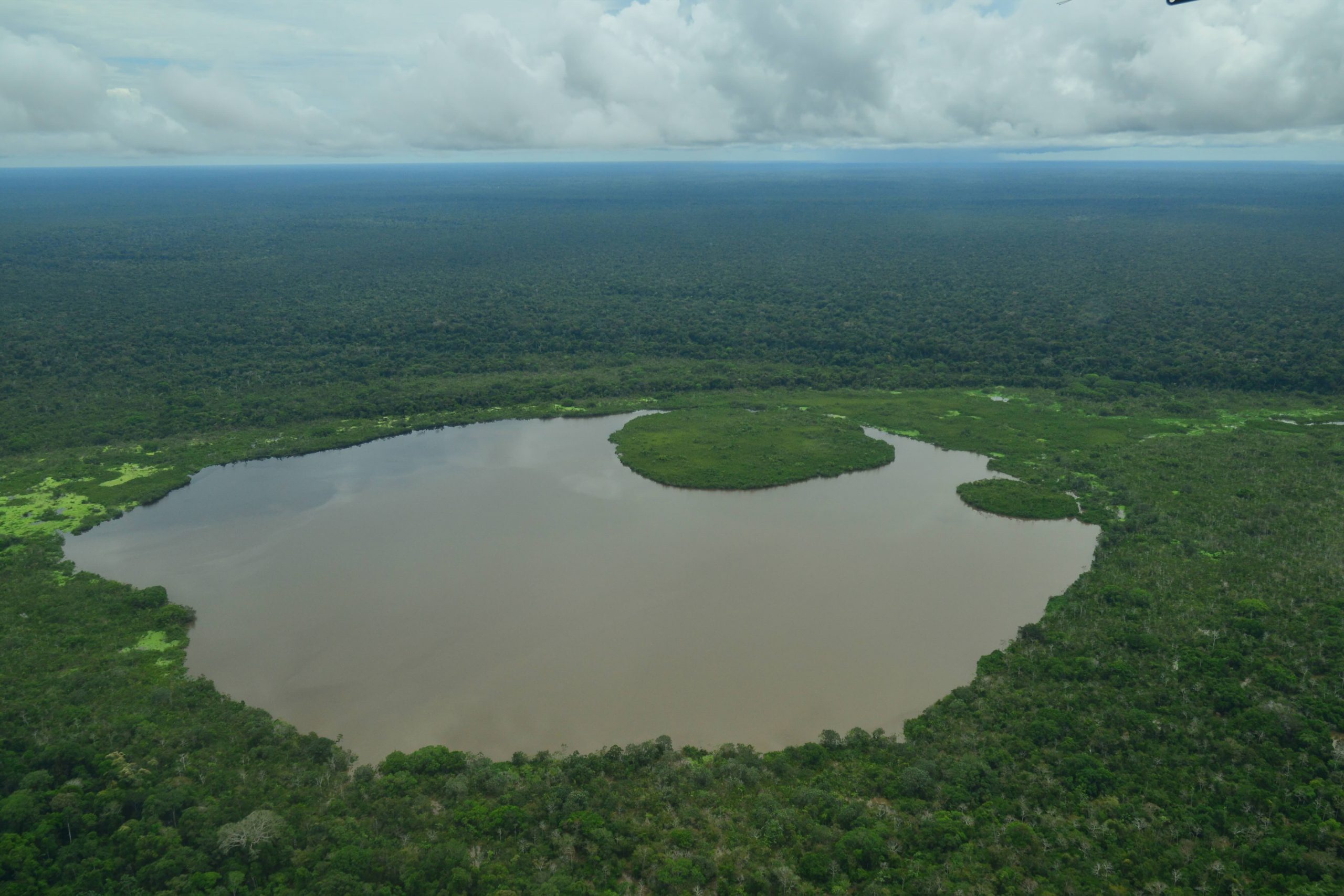
The jungle of Puerto Nariño is a tropical rainforest with primary, secondary, and tertiary forests, adapted to seasonal flooding. The water level can vary by up to 12 meters between low and high water seasons, transforming the landscape and the dynamics of the ecosystem.
Explore with a local guide
Lakes of Tarapoto
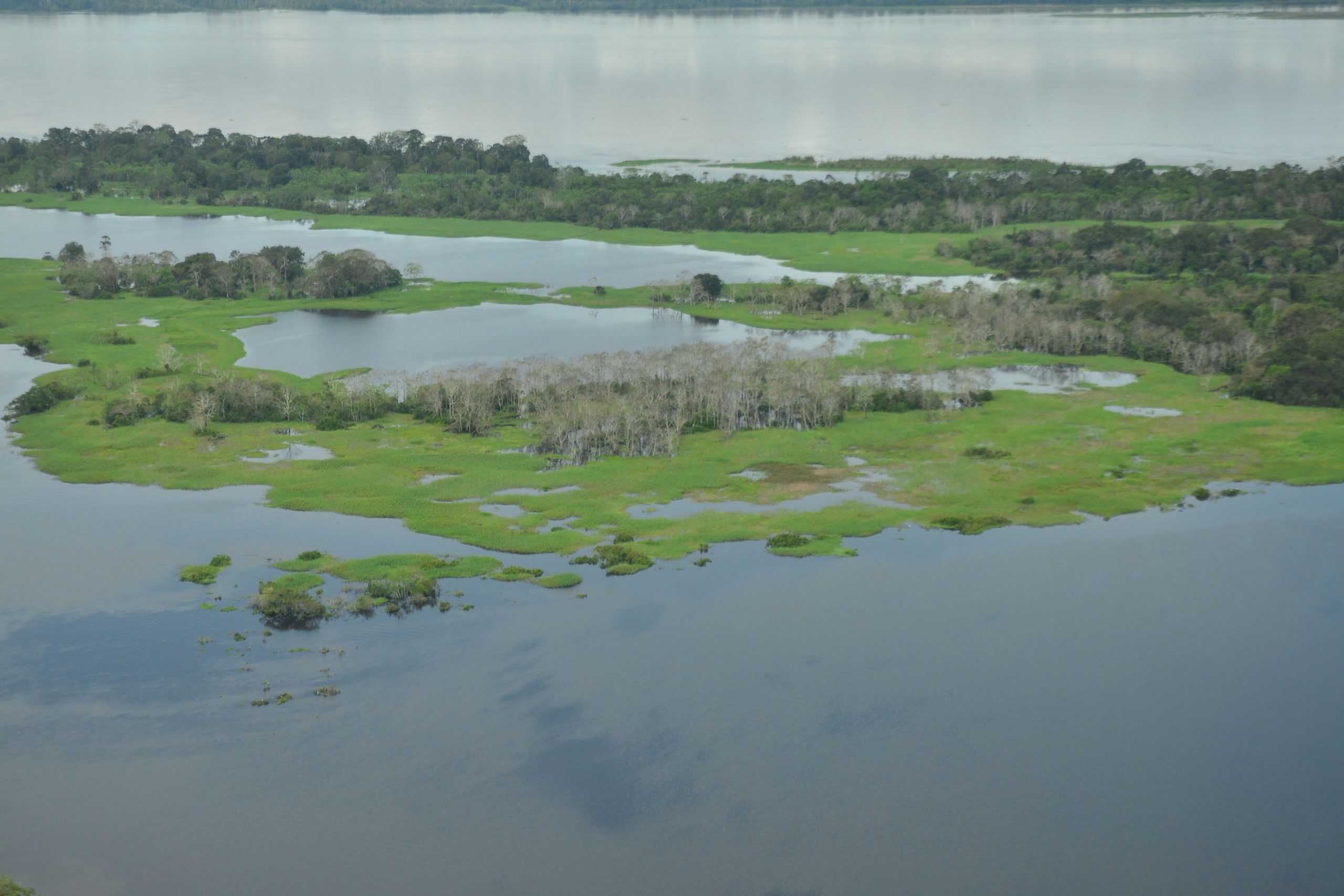
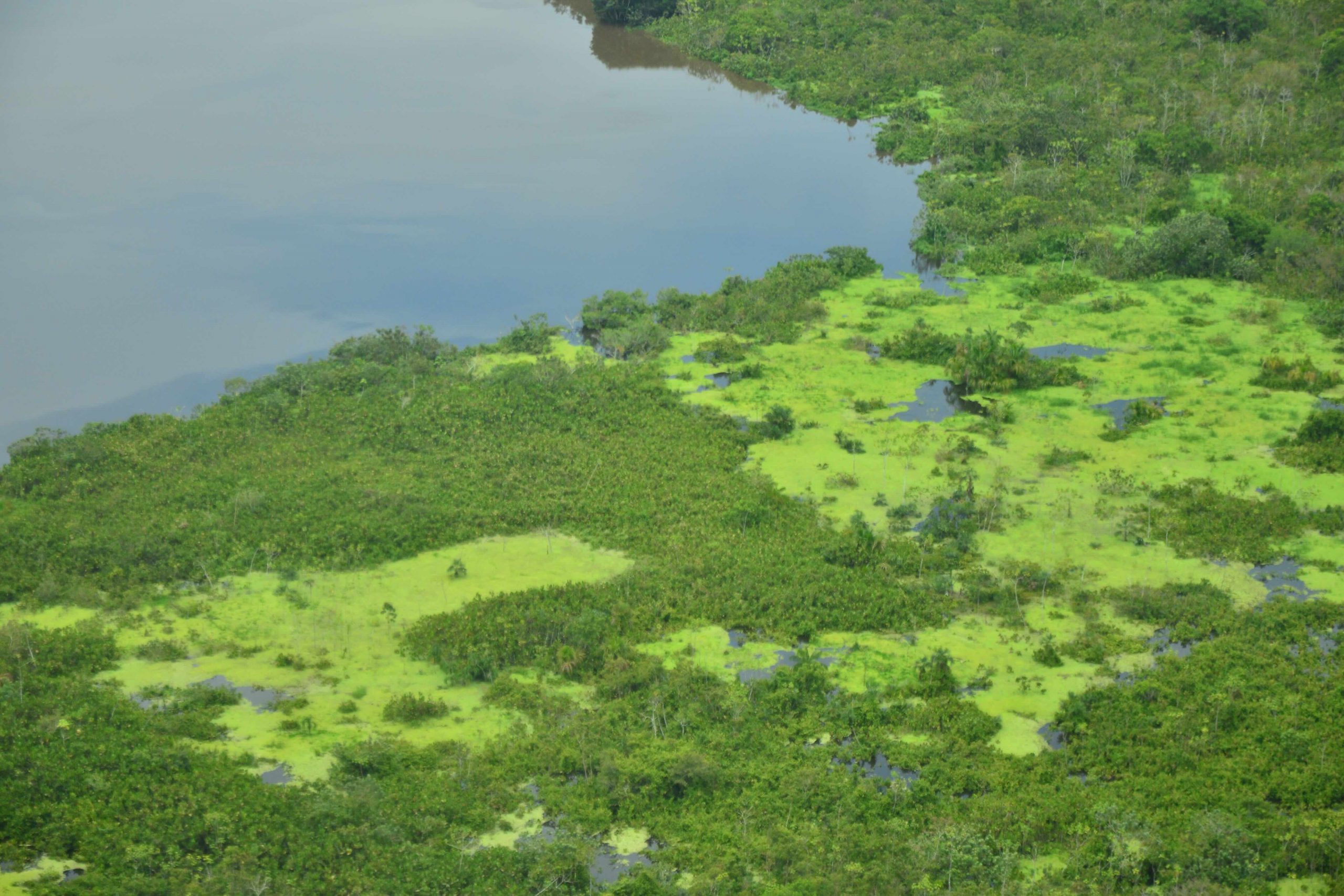
The Tarapoto Lakes form the first wetland complex in the Colombian Amazon to be recognized as a Ramsar Site, the highest international designation for the protection of these ecosystems. They also have OMEC (Other Effective Area-based Conservation Measures) designation, in recognition of local conservation strategies.
This complex comprises around 45 wetlands and 22 lakes, which form part of the Loretoyacu River basin, a tributary of the Amazon River. Twenty-two indigenous communities from the Magüta–Tikuna, Cocama, and Yagua peoples depend directly on these ecosystems. They have inhabited and cared for this territory since ancient times.
Covering an area of 45,463 hectares, the Tarapoto Lakes are home to exceptional biodiversity: 883 species of plants, 265 species of fish, 57 species of amphibians, 30 species of reptiles, 244 species of birds—including 24 migratory species—and 197 species of mammals. Among them are emblematic and endangered species such as the pink dolphin, the manatee, the black caiman, and the pirarucú.
Since 2012, indigenous communities, together with research institutes and allied entities, develop the Fisheries Agreements , a community strategy to regulate the use of fishery resources, prevent overexploitation, and ensure the conservation of the ecosystem.
Covering an area of 45,463 hectares, the Tarapoto Lakes are home to exceptional biodiversity: 883 species of plants, 265 species of fish, 57 species of amphibians, 30 species of reptiles, 244 species of birds—including 24 migratory species—and 197 species of mammals. Among them are emblematic and endangered species such as the pink dolphin, the manatee, the black caiman, and the pirarucú.
Since 2012, indigenous communities, together with research institutes and allied entities, develop the Fisheries Agreements , a community strategy to regulate the use of fishery resources, prevent overexploitation, and ensure the conservation of the ecosystem.
This complex comprises around 45 wetlands and 22 lakes, which form part of the Loretoyacu River basin, a tributary of the Amazon River. Twenty-two indigenous communities from the Magüta–Tikuna, Cocama, and Yagua peoples depend directly on these ecosystems. They have inhabited and cared for this territory since ancient times.
Covering an area of 45,463 hectares, the Tarapoto Lakes are home to exceptional biodiversity: 883 species of plants, 265 species of fish, 57 species of amphibians, 30 species of reptiles, 244 species of birds—including 24 migratory species—and 197 species of mammals. Among them are emblematic and endangered species such as the pink dolphin, the manatee, the black caiman, and the pirarucú.
Since 2012, indigenous communities, together with research institutes and allied entities, develop the Fisheries Agreements , a community strategy to regulate the use of fishery resources, prevent overexploitation, and ensure the conservation of the ecosystem.
Covering an area of 45,463 hectares, the Tarapoto Lakes are home to exceptional biodiversity: 883 species of plants, 265 species of fish, 57 species of amphibians, 30 species of reptiles, 244 species of birds—including 24 migratory species—and 197 species of mammals. Among them are emblematic and endangered species such as the pink dolphin, the manatee, the black caiman, and the pirarucú.
Since 2012, indigenous communities, together with research institutes and allied entities, develop the Fisheries Agreements , a community strategy to regulate the use of fishery resources, prevent overexploitation, and ensure the conservation of the ecosystem.